
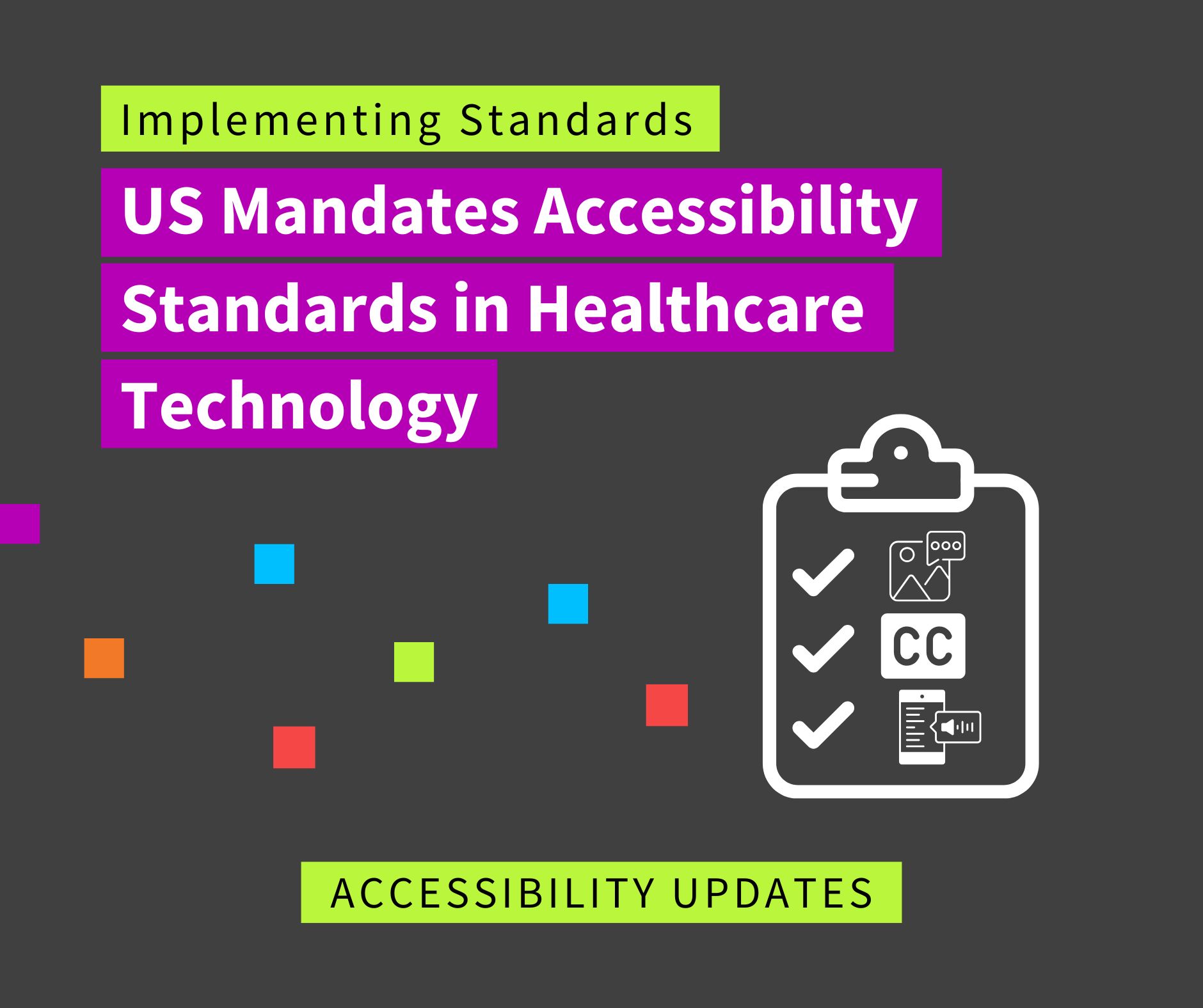
The U.S. Department of Health and Human Services (HHS) has issued, for the first time, digital accessibility requirements for patient-facing health care technology. Effective May 11, physicians and health care organisations receiving federal funding must ensure websites, mobile apps, and kiosks meet ADA and Rehabilitation Act standards.
Under the rule, technology must provide features such as alt text for images, captions for videos, and accessible navigation for screen readers. HHS estimates that 100% of hospitals and 92% of office-based physicians are affected.
Compliance deadlines vary. organisations with 15 or more employees must meet standards by May 11, 2026, while smaller practices have until May 10, 2027.
HHS allows some exceptions, including archived web content, third-party postings, and materials where accessibility would create undue financial or administrative burdens.
Alternative accessible versions of web content and procedures for inaccessible kiosks are permitted. Failure to comply could trigger investigations by HHS’ Office for Civil Rights.
Physicians are advised to check with website providers and third-party vendors to ensure digital platforms meet Web Content Accessibility Guidelines, which require content to be perceivable, operable, understandable, and robust for all patients.
Australia has similar accessibility obligations under its Disability Discrimination Act (DDA), which makes it unlawful to provide services in a way that excludes people with disability. Health care providers in Australia are expected to follow standards such as AS EN 301 549 and WCAG 2.2 Level AA, but unlike the U.S., there are no set deadlines or mandatory enforcement mechanisms for private health providers. Compliance is largely determined on a case-by-case basis through complaints and legal review, meaning accessibility practices may vary widely in practice.